
A measured scientific perspective on cellular nutrition, connecting ingredient biology with established nutrient functions without overstating what supplements can achieve.
Why cellular nutrition attracts scientific attention
Cells are dynamic systems. They convert nutrients into usable energy, maintain membranes, respond to their environment and continually renew their components. The phrase cellular nutrition describes a research perspective rather than a single recognised health outcome. It invites us to consider how ordinary nutrients, together with other dietary compounds, relate to normal biological processes. Healthy ageing is equally complex: no individual supplement should be presented as a way to halt, reverse or prevent ageing.
Coenzyme Q10: a familiar participant in mitochondrial biology
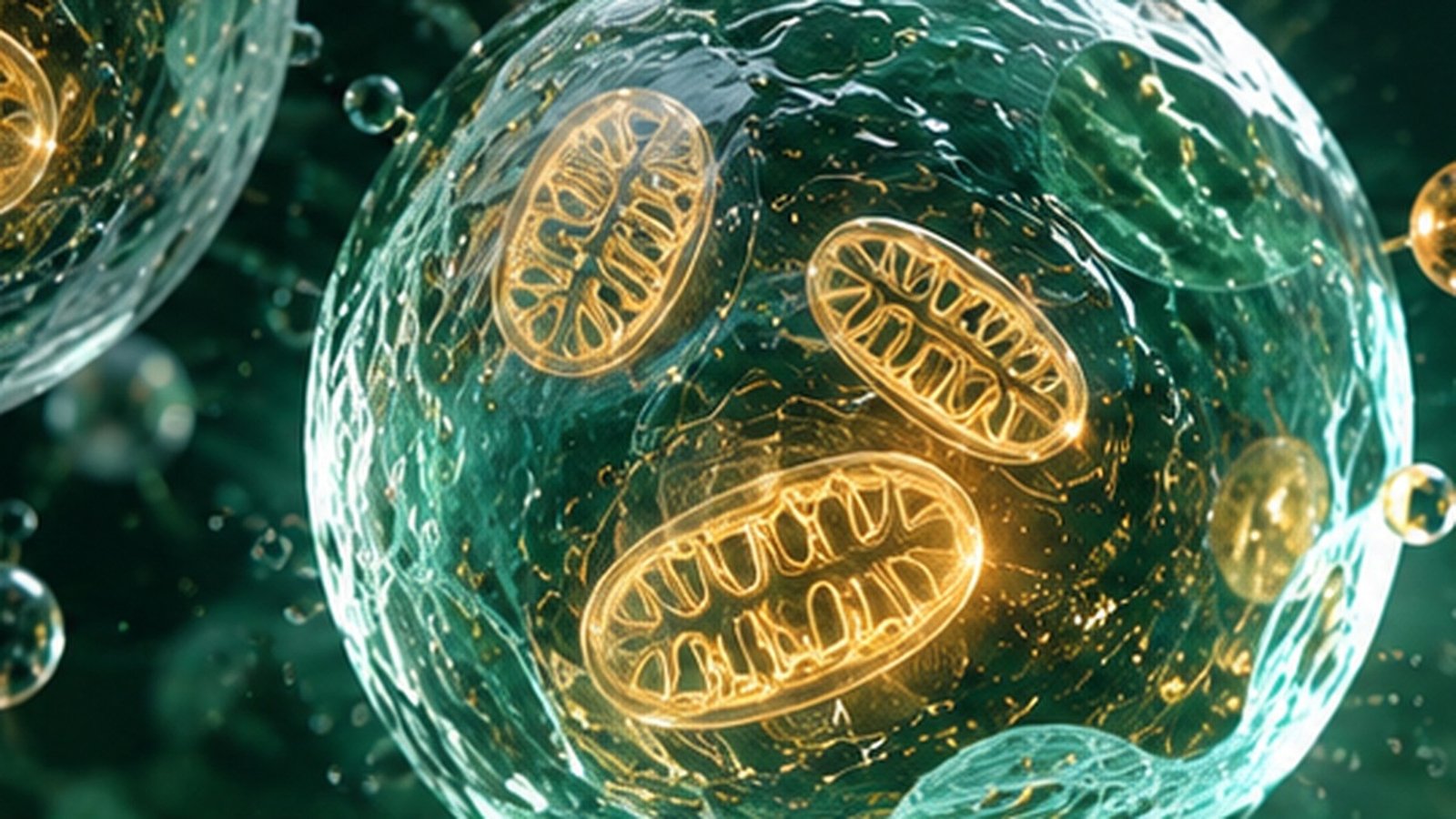
Coenzyme Q10 (CoQ10), also known as ubiquinone, occurs naturally in human tissues and is involved in mitochondrial electron transport. Mitochondria are the cell structures associated with aerobic energy production. CoQ10 has therefore attracted considerable research attention, including in studies examining its absorption and physiological roles. Its established biological involvement, however, does not by itself demonstrate that taking a particular CoQ10 supplement improves vitality or changes the ageing process in otherwise healthy adults. Outcomes depend on the population, formulation, dose and quality of evidence.
PQQ, ergothioneine and resveratrol: different questions, different evidence
Pyrroloquinoline quinone (PQQ), L-ergothioneine and trans-resveratrol are chemically distinct compounds. PQQ has been investigated in laboratory and human research for potential links to cellular signalling and mitochondrial-related pathways. Ergothioneine is a dietary compound of interest because of its distribution in tissues and its chemistry. Resveratrol, a polyphenol found in several plant foods, is studied in areas including cellular stress responses. Much of the mechanistic literature involves cells, animals or small human studies. It would be misleading to treat this as proof of a health benefit from the finished formula. Scientific interest is not the same thing as an authorised health claim.
Spermidine and the importance of context
Spermidine is a naturally occurring polyamine present in foods, including wheat germ. Researchers have explored its relationship with fundamental cellular processes, including autophagy. These topics are scientifically interesting, but they do not establish that supplemental spermidine extends human lifespan. Wheat-germ-derived ingredients also require clear allergen communication. The identity, concentration and daily amount of an ingredient matter when evaluating any formula.
Where the established nutrient claims begin
A more clearly defined distinction can be made for certain vitamins. Riboflavin (vitamin B2), vitamin B6 and niacin contribute to normal energy-yielding metabolism. Riboflavin also contributes to the protection of cells from oxidative stress. These are authorised nutrient-specific claims when the conditions of use are met; they should not be transferred to CoQ10, PQQ, spermidine or to the finished blend as a whole. A good scientific explanation keeps these two categories separate: an established nutritional function on one hand, and an evolving research topic on the other.
A considered formulation perspective
Vitality Life™ brings together CoQ10, PQQ, L-ergothioneine, trans-resveratrol, spermidine-rich wheat germ extract and vitamins B2, B6 and niacin. Its formulation is positioned around cellular nutrition, but the ingredient list is not evidence that the finished product has been clinically demonstrated to influence ageing. Consumers should review the exact label, recommended intake and allergen statement before use. The product contains wheat.
The perspective to take away
Cellular biology offers valuable ideas for nutritional research, but careful communication matters as much as curiosity. Recognising the difference between established nutrient functions, preliminary mechanistic findings and clinical evidence allows readers to assess supplements more confidently. A varied diet, suitable physical activity and adequate rest remain central to wellbeing.
Explore the formulation: Learn more about Vitality Life™, including its full ingredients, nutrition table and directions.
References and further reading
- NHS — Vitamins and minerals: B vitamins and folic acid
- UK legislation — authorised nutrition and health claims, Annex
- Cambridge Genetrix — Vitality Life™ product information
Editorial note: This article provides general educational information, not medical advice. Scientific discussion of individual ingredients does not demonstrate clinical benefits of a finished product. Food supplements should not replace a varied, balanced diet or a healthy lifestyle. Health claims apply only where the named nutrients and products meet the relevant conditions.