
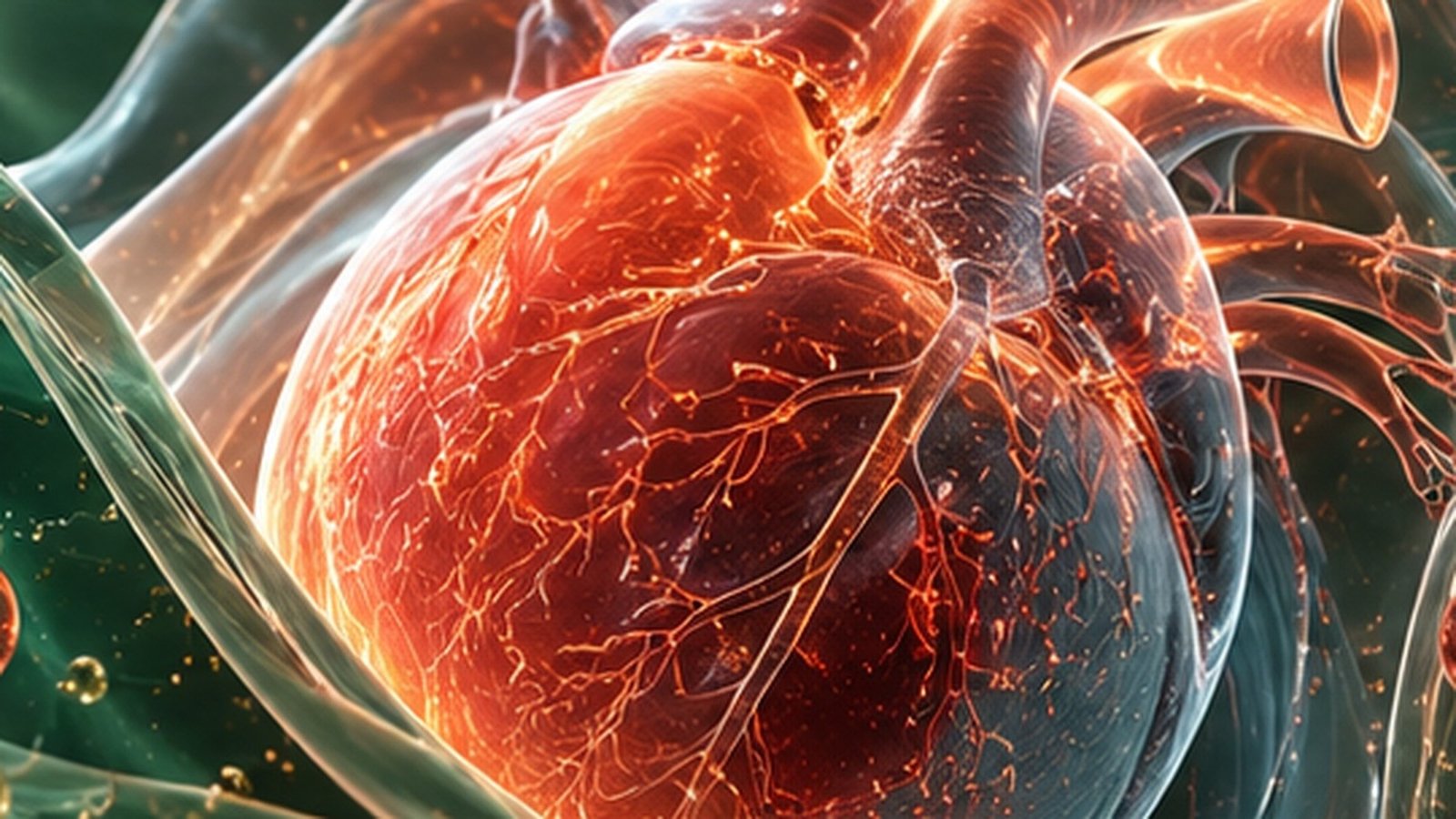
A measured scientific perspective on heart nutrition, connecting ingredient biology with established nutrient functions without overstating what supplements can achieve.
Heart nutrition begins with the wider picture
The heart works continuously, relying on oxygen delivery, normal metabolic processes and the overall health of the cardiovascular system. Food choices, activity, sleep, smoking status and blood-pressure management are relevant to long-term cardiovascular health. Supplements should be discussed within that wider context. An ingredient's involvement in heart biology is not the same as evidence that a product prevents heart disease or treats a medical condition.
CoQ10 and the cellular energy pathway
Coenzyme Q10 (CoQ10) is naturally present in the body and participates in mitochondrial electron transport. Because heart muscle has considerable energy demands, CoQ10 is often discussed in the context of cardiovascular research. Studies have explored supplementation in particular populations, but the evidence is not a basis for generalising that every CoQ10-containing food supplement improves heart performance. Research findings differ across doses, product forms and participant groups. Those distinctions are essential in responsible consumer education.
Thiamine: a more precisely established role
Thiamine, or vitamin B1, is an essential vitamin involved in normal energy-yielding metabolism. In Great Britain, an authorised claim states that thiamine contributes to the normal function of the heart, provided the conditions of use are satisfied. That is a specific nutritional claim for thiamine. It does not mean a product containing thiamine can claim to prevent cardiovascular illness or remedy symptoms. The NHS also describes thiamine's role in releasing energy from food and supporting normal nervous-system function.
Vitamin B6, vitamin B12 and homocysteine metabolism
Homocysteine is an amino acid involved in normal metabolic pathways. Vitamins B6 and B12 contribute to normal homocysteine metabolism; both also contribute to normal energy-yielding metabolism and to the reduction of tiredness and fatigue, subject to their claim conditions. A distinction matters here: supporting normal homocysteine metabolism is an authorised nutrient function, but it is not an authorised promise that a supplement reduces cardiovascular events. The language must stay precise.
Garlic, ginkgo and phosphatidylserine: context rather than promises
Garlic and ginkgo have long histories of use and have been examined in many different kinds of research. Their presence alongside phosphatidylserine in a modern formulation creates a particular ingredient profile, but does not establish the clinical effect of the finished mixture. Studies involving individual botanical extracts may differ in standardisation and dose. People taking prescribed medication, particularly medicines affecting blood clotting, should consult a healthcare professional before using products that contain ginkgo or garlic extracts.
How the Cambridge Genetrix formulation fits this topic
CoQ10 Vitality Matrix™ combines CoQ10, sunflower-derived phosphatidylserine, garlic extract, ginkgo biloba leaf extract and vitamins B1, B6 and B12. The stated daily serving contains 200 mg CoQ10 and 2.2 mg thiamine. The scientifically responsible message is to identify the actual nutrients with authorised functions, provide clear product information and avoid extending those claims to the entire blend without appropriate supporting evidence.
The important conclusion
Good heart nutrition communication should inform rather than alarm. Thiamine has a defined role in normal heart function, while CoQ10 remains an active subject of broader research. A supplement cannot replace diagnosis, prescribed treatment or the established foundations of cardiovascular wellbeing. Individuals with existing health conditions or medicines should seek personalised professional advice.
Explore the formulation: Learn more about CoQ10 Vitality Matrix™, including its full ingredients, nutrition table and directions.
References and further reading
- UK legislation — authorised nutrition and health claims, Annex
- NHS — About thiamine
- NHS — B vitamins and folic acid
- Cambridge Genetrix — CoQ10 Vitality Matrix™ product information
Editorial note: This article provides general educational information, not medical advice. Scientific discussion of individual ingredients does not demonstrate clinical benefits of a finished product. Food supplements should not replace a varied, balanced diet or a healthy lifestyle. Health claims apply only where the named nutrients and products meet the relevant conditions.