
Data from over 2,500 postmenopausal women withosteoporosis revealed that vitamin K2 supplementationcan improve biomarkers of bone turnover, supporting the vitamin’s benefits for bone metabolism and skeletal health.
Writing in Frontiers in Endocrinology, scientists from Zhejiang ChineseMedical University reported that vitamin K2 significantly increases osteocalcin (cOC), a vitamin K-dependent protein that is essential for the body to utilize calcium in bone tissue.
Increases were also recorded for bone-specific alkaline phosphatase(BAP), an enzyme that plays a crucial role in the mineralization of bone.
On the other hand, the vitamin was also associated with reduced levelsof undercarboxylated (inactive)osteocalcin (ucOC). Without adequatevitamin K, the osteocalcin remains inactive and thus ineffective.
“These findings support the potential role of vitamin K2 in improving bone metabolism by enhancing osteocalcin carboxylation and possiblymodulating bone turnover processes,” the researchers wrote.
From bones to heart health
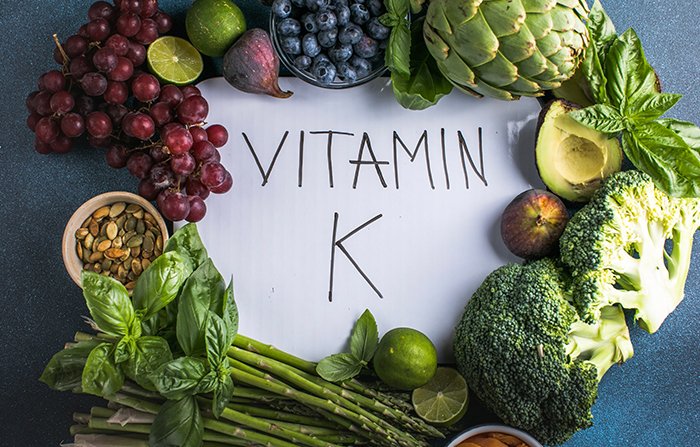
K1 is found in green leafy vegetables such as lettuce, broccoli and spinach and makes up about 90% of the vitamin K in a typical Westerndiet, while K2 makes up about 10% of Western vitamin K consumptionand can be synthesized in the gut by the microflora.
Menaquinones (MK-n: with the n denoting the number of prenyl side chains) can also be found in the diet. MK-4 can be found in animal meat, Mk-7, MK-8 and MK-9are found in fermented food products like cheese. Natto, a fermented soybean paste, is a rich source of MK-7.
The bone health benefits of vitamin K2 are supported by multiple studies (many of the commercial vitamin K2 dietary supplements on themarket are making bone-related structure-function claims in the UnitedStates). The cardiovascular benefits of K2 have also been established,with the Rotterdam Study (published in 2004 in the Journal of Nutrition,Vol. 134, pp. 3100-3105)one of the first to show that adequate intakeof menaquinone was associated with less aortic calcification and a lower risk of all-cause mortality.
The wider benefits of vitamin K were also highlighted in a 2009 study.by Joyce McCann, PhD, and Bruce Ames, PhD, from Children’s HospitalOakland Research Institute.
Study details
The researchers included only randomized controlled trials thatinvestigated the effects of vitamin K2 supplementation on bone turnover biomarkers in postmenopausal women with osteoporosis. Ninestudies providing data on 2,570 women met the inclusion criteria. Theparticipant ages ranged from 60 to 77, and the most common supplementation period was 6 months.
In addition to improvements in levels of OC, BAP and ucOC, theresearchers found that K2 supplementation reduced tartrate-resistantacid phosphatase (TRAP) levels. TRAP is an enzyme that helps breakdown bone tissue.
Another biomarker of bone breakdown, C-terminal telopeptide (CTX),also showed a small but statistically significant reduction.
“These findings support its [vitamin K2’s] role in bone metabolism,though further long-term studies are needed to confirm clinicalbenefits, such as increased bone mineral density,” the researchers wrote.
‘The evidence supports a role for vitamin K2 in bone health’
Commenting on the findings of the meta-analysis, Katarzyna Maresz,PhD, vitamin K2 expert, former president of the International Scienceand Health Foundation, and coordinator of the Gnosis Vitamin K2Scientific Advisory Committee, told Nutralngredients: “This meta-analysis is important because prospective data link poorer OC carboxylation (a marker of lower extrahepatic vitamin K status) withhigher fracture risk. That said, multiple MenaQ7 Vitamin K2 [Gnosis’branded MK-7 ingredient] studies in adults and children demonstratedimprovements in extrahepatic vitamin K status-increased activation(carboxylation) of osteocalcin.”
Dr. Maresz said that while biomarkers are encouraging, the medicalcommunity prioritizes hard endpoints such as bone mineral density/bone mineral content (BMD/BMC), bone strength and fractures.
“In a three-year randomized trial, MenaQ7 improved vitamin K status(increased activation of OC), attenuated loss of BMD/BMC andincreased hip strength indices with a daily dose of 180 mcg,” she added. “Additionally, a 2022 meta-analysis of 16 RCTs (n = 6,425) inpostmenopausal women found that vitamin K2 helps maintain BMD,reduces fracture incidence, and improves extrahepatic K status.(ref:Ma et al., Front Public Health, 2022)
“Together, with the new Frontiers in Endocrinology meta-analysis, theevidence supports a role for vitamin K2 in bone health,” Dr. Maresz said.
Source: Frontiers in Endocrinology,2025, Vol16, doi:10.3389/fendo.2025.1703116.”The effect of vitamin K2supplementation on bone turnover biochemical markers inpostmenopausal osteoporosis patients: a systematic review and meta-analysis”. Authors:Z. Zhang, et al.
Original Author:[Stephen Daniells]
Source:[Nutrangredients-https://www.nutraingredients.com/Article/2025/11/13/meta-analysis-supports-vitamin-k2s-bone-health-benefits/]This article is shared for informational and educational purposes only and does not represent the views of our brand. If there are any copyright concerns, please contact us and we will address them promptly.