
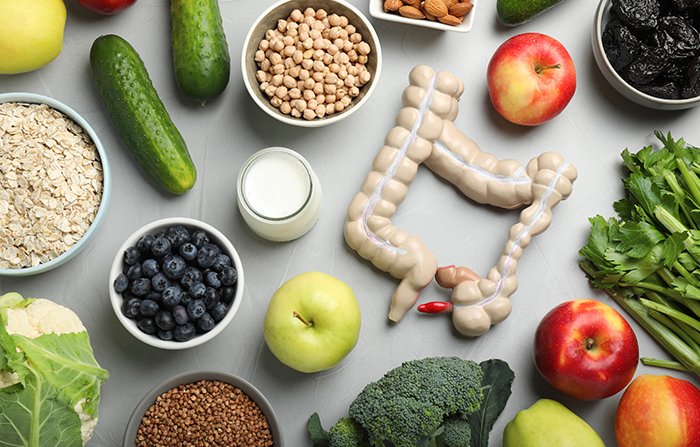
If you’ve got a bad feeling in your belly, it’s best to pay attention to it. What’s happening in your digestive tract can set the tone for your whole day. (Remember the last time you battled diarrhea? Yeah … that’s what we’re talking about.)
Keeping your gut healthy often comes down to how you’re living your life. Diet and day-to-day habits can make a BIG difference when it comes to your gastrointestinal system.
We asked gastroenterologist Christine Lee, MD, how to help your gut stay healthy.
Why gut health is important
A healthy gut isn’t just about feeling hunky-dory after you gobble down dinner. It’s also important for:
- Maintaining a strong immune system
- Boosting mood and mental health
- Feeling energized
- Managing weight
- Quality sleep
- Focus and concentration
“Your gut health is central to your overall health,” emphasizes Dr. Lee.
How can you improve gut health?
Gut health largely hinges on your gut’s complex microbiome and the trillions of microbes — including “good” bacteria — that call it home. Maintaining a healthy balance of gut bacteria is essential for your overall health.
Here’s how to keep your gut from going off kilter.
1. Adjust your diet
When it comes to selecting food to help your gut stay in tip-top shape, you’ve got a lot of options. Try to take advantage of all of them, too, because eating an array of healthy foods helps your gut thrive.
That’s because a diverse diet helps your gut grow more types of good bacteria. The broader population of microbes makes it easier for your gut to handle whatever comes along.
“You want to have a wide variety in your diet,” says Dr. Lee. “Try to mix it up.”
That means eating more:
- Fruits and vegetables: Plant foods are packed with soluble and insoluble fiber,
which aid digestion to keep your gut’s plumbing flowing. Aim for five to seven servings of fruit and vegetables per day. Be adventurous, too. “Get lots of different colors on your plate — greens, reds, oranges, yellows, purples, etc.,” recommends Dr. Lee.
- Whole grains: Another way to stay “regular” with your bathroom routine is to eat
food made with fiber-rich whole grains, says Dr. Lee. That includes grains like oats, quinoa and brown rice. Try to choose whole-grain products with at least 3 grams of dietary fiber per serving.
- Fermented foods: Microorganisms in fermented foods can be beneficial to your
gastrointestinal health. As a type of probiotic, they bring more good bacteria to your gut’s microbiome. Examples of fermented food include yogurt, kombucha (a fermented tea), sauerkraut and kimchi.
Don’t forget to hydrate, too! Water is crucial for gut health and to keep your digestive system running smoothly.
Foods to limit or avoid for gut health
The food on this list won’t surprise you — and odds are, you’ve felt a little belly pain after overdoing it on one or more of the items. “That’s your body sending a message,” says Dr. Lee.
Foods to limit or avoid include:
- Salty, high-sodium items: Eating foods high in sodium content — chips, lunch
meat and many prepared foods, for instance — can slow digestion and lead to bloating, says Dr. Lee.
- Processed foods: Preservatives added to processed foods really make things
difficult for your digestive system. “It slows down motility and lets bad bacteria build up,” she explains.
- Fried food: Cooking food in oils laden with saturated fats just doesn’t lead to a
finished product that sits well in your belly, which can lead to indigestion, gas and diarrhea.
- Artificial sweeteners: Let’s just say that any food items identifying as “artificial
will probably be more difficult for your body to process. Add it to the list of health concerns connected to low-calorie sugar imitators.
- Red meat: Your gut’s response (and struggles) with red meat has been associated
with increased risk of heart disease. Try to limit portions of red meat to no more than 3 ounces twice a week.
2. Reduce stress
Know that horrible feeling that hits your gut when you’re stressed? Well, there’s a reason for it.
Chronic stress can negatively affect the gut microbiome and throw your system out of whack. Stress triggers the release of hormones that can damage your gut lining. This can let harmful bacteria and toxins leak into your bloodstream.
“People always assume food is behind GI issues, but chronic stress or even being in a stressful situation can trigger stress hormone release that affects your gut health,” reports Dr. Lee.
If you notice gut issues flaring up during or following tense times, try some mindfulness activities to relax and destress. Examples include yoga, taking a hike, reading or just sitting and savoring a hot cup of tea.
3. Get enough sleep
Sleep deprivation can make your gut cranky.
Your gut microbiome has its own circadian rhythm, meaning it fluctuates throughout the day. Not getting enough quality ZZZs can interfere with this internal clock, leading to bacterial imbalances in your gut microbiome.
“If you’re sleep deprived, it really can throw off your circadian rhythm and affect your gut,” notes Dr. Lee.
Aim to get seven to nine hours of sleep a night to help your gut (and body) be at its best.
4. Exercise regularly
Want a prescription to improve gut health? Here it is: “Exercise is truly the best medicine on Earth,” says Dr. Lee. “Physical activity supports digestion and helps move food through your system. It takes the bad stuff out.”
In general, health experts recommend at least 150 minutes of moderate-intensity exercise per week for your health. That would include activities like walking, cycling or even working in the yard.
Final thoughts
An entire ecosystem exists within your gut. What you eat, your daily stress levels, and how much you sleep and exercise can go a long way toward determining the health of that microbiome and you.
Signs of poor gut health include heartburn, bloating, intestinal gas and other unpleasant symptoms.
“It’s important to stay attuned to these sorts of symptoms,” advises Dr. Lee. “Pay attention to what sets them off. Listen to your body, and — if something feels off — talk to your doctor. When in doubt, check it out!”
Source:[Cleveland Clinic-https://health.clevelandclinic.org/how-to-improve-your-digestive-tract-naturally]
This article is shared for informational and educational purposes only and does not represent the views of our brand. If there are any copyright concerns, please contact us and we will address them promptly.